
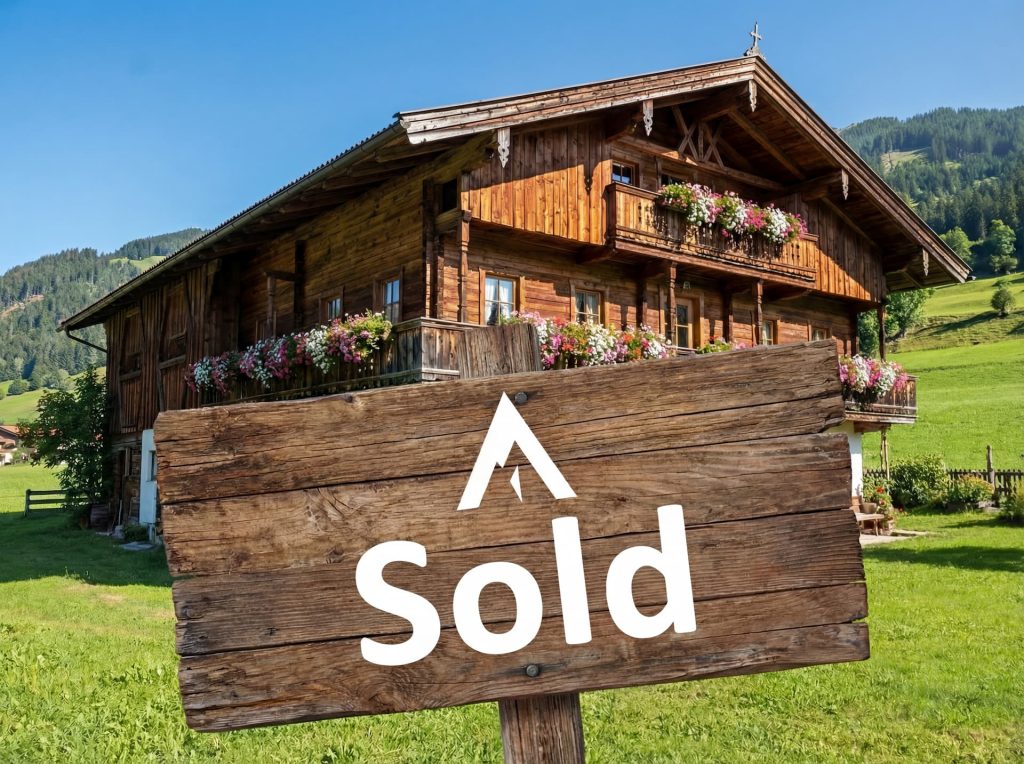
Buying a home in Austria can be exciting, but it’s important to understand how the process works and what costs are involved. In this guide, we explain step by step what to expect, including information on notaries, the Grundbuch, and taxes for foreign buyers.
Why the buying process and purchase costs in Austria are different
The Austrian buying process is quite different from what you might be used to in your country. Once certain documents are signed, you are legally bound. This makes the system safe but requires good preparation, especially for foreign buyers.
A notary or lawyer plays a central role in nearly every transaction. Payments are made via a secure third-party account (Treuhandkonto), providing extra security for both buyer and seller. For official information on the land register, you can visit Justiz.gv.at.

Buying process and costs in Austria step by step
Step 1: Purchase offer (Kaufanbot) – legally binding
The process starts with a written purchase offer. Keep in mind:
- The Kaufanbot is legally binding.
- Once signed by buyer and seller, it forms an agreement.
- Cancellation is usually only possible at high cost.
This is a significant difference from many other countries. Make sure you are well-informed before signing.t.
Step 2: Purchase contract (Kaufvertrag) via the notary
After the signed purchase offer, the notary or lawyer drafts the official purchase contract, which includes:
- Purchase price
- Payment terms
- Deadlines and handover date
- Any conditions for cancellation
The notary ensures everything is legally correct under Austrian law. Professional guidance helps prevent mistakes. See our services for more information on how we can assist you.
Step 3: Registration in the Grundbuch (land register)
The purchase contract is submitted to the Austrian land register (Grundbuch).
- You only become the legal owner after registration.
- This step is mandatory for every real estate transaction.
- The notary handles the entire process.
More information is available at Justiz.gv.at.
Step 4: Payment via Treuhandkonto
The purchase price is paid through the notary’s Treuhandkonto.
- Fully secure for both buyer and seller
- Money is only released after correct registration
- No risk of fraud
This system makes the buying process reliable, provided it is executed correctly.
Step 5: Handover of keys
After payment and registration, the keys are handed over. From that moment, the property is officially yours, and you can move in, rent it out, or renovate.
Purchase costs for a property in Austria
When buying a property, you need to account for fixed purchase costs, which are legally established:
When buying a property, you need to account for fixed purchase costs, which are legally established:
- Grunderwerbsteuer (transfer tax) – 3.5% of the purchase price
- Grundbuch registration fees – 1.1% of the purchase price
- Notary and lawyer fees – approx. 2%
- The notary handles the contract, payment via Treuhandkonto, and Grundbuch registration
- Agent fees – approx. 3.6% (3% + 20% VAT)
Total purchase costs: on average 10–12% of the purchase price, depending on the region, type of property, and arrangements with the agent. For more details on tax rules, consult the Austrian Tax Authority.
Extra points for foreign buyers
International buyers should be aware of:
- Permits for non-EU citizens (depending on the federal state)
- Regional rules regarding tourist rentals
- Zoning plans and allowed rental uses
Proper guidance is crucial to avoid surprises. Learn more about who we are and our expertise on our About Us. Page