
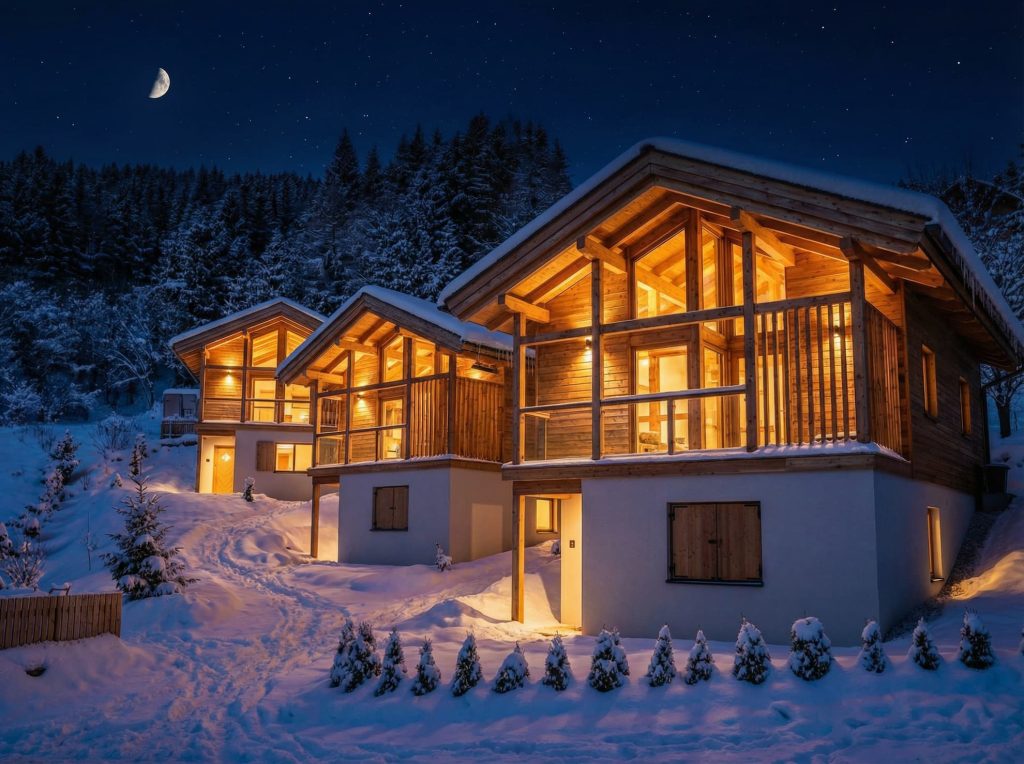
Many foreign buyers dream of purchasing a guesthouse or hotel in Austria—for example in the Alps, near a ski resort, or by one of the lakes like Millstättersee or Wörthersee. But how exactly do permits and regulations work? Can you just take over a guesthouse and operate it immediately?
In this blog, we explain everything: from small guesthouses with 10 beds to larger hotels, including the rules per accommodation type, municipal requirements, and tips for foreign buyers.
Can you simply take over a guesthouse or hotel?
You can buy a guesthouse or hotel as real estate, but to operate the business commercially, you usually need a Gewerbeberechtigung—a business or trade license. Without this permit, you cannot legally run the business.
Different rules apply depending on the type and size of the accommodation.
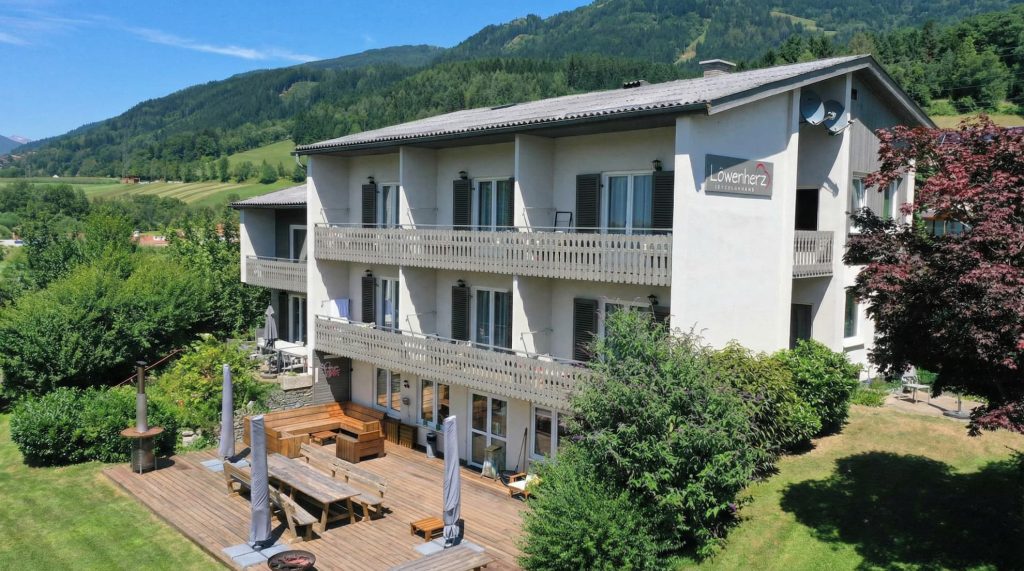
Small guesthouses: 10 beds or less – permit-free?
Good news: for small guesthouses or rooms up to 10 beds, a formal permit is often not required.
This falls under the so-called Privatzimmervermietung, which means:
- You can rent out the guesthouse or holiday home without a Gastgewerbe permit.
- Local regulations such as fire safety and hygiene still apply.
This makes small guesthouses particularly attractive for starting investors or foreign buyers who want to begin a small-scale tourist business.
Larger guesthouses and hotels: permits required
From 11 beds or more, it officially becomes a gewerbliche Beherbergung (commercial accommodation), and stricter rules apply:
- Gastgewerbe permit: mandatory for commercial operation.
- Fire safety: legal fire safety standards and municipal inspections.
- Hygiene: professional cleaning and hygiene standards.
- Qualifications: sometimes the owner or an employee must have specific qualifications.
- Municipal approval: in some regions, an extra permit is required to take over and operate an existing guesthouse.
This applies in most tourist regions in Austria, such as:
- Carinthia: Velden, Millstättersee, Nassfeld
- Tyrol: Kitzbühel, St. Anton, Skiwelt
- Salzburg: Zell am See, Kaprun
- Styria: Schladming-Dachstein, Ramsau
Why are the rules so strict?
The Austrian government and municipalities aim to:
- Ensure safe accommodation for guests.
- Guarantee high hygiene standards in tourist areas.
- Prevent overloading local infrastructure, e.g., parking and traffic.
- Ensure valid operating guarantees for larger hotels and guesthouses.
How can buyers handle this?
As a buyer of a guesthouse or hotel, you don’t have to figure this all out yourself. It’s common to enlist the help of:
- A local real estate agent – can check which permits are required.
- The notary – handles the legal transfer of property and business.
- A business advisor or legal specialist – assists with applying for Gastgewerbe permits and local requirements.
At Easy Real Estate, we guide foreign buyers step by step. We check:
- Whether the business requires a permit,
- What needs to be arranged for operation,
- And which municipal restrictions apply.
Important tips for foreign buyers
- Always check with the municipality whether existing permits are valid and what the possibilities are for expansion or tourist rentals.
- Pay attention to bed capacity: up to 10 beds is permit-free; from 11 beds, a Gewerbeberechtigung is required.
- Seek advice from a local notary: they know regional regulations and can prevent legal pitfalls.
- Check zoning plans: especially in ski areas and popular lakes, many restrictions apply.
Conclusion: buying a guesthouse or hotel in Austria is possible, but rules are crucial
Taking over a small guesthouse with up to 10 beds can be relatively straightforward, but larger hotels require permits and municipal approvals.
For Dutch and Belgian buyers, it’s essential to:
- Verify the business status,
- Follow local rules,
- And ensure the transfer is handled correctly by a notary.
We can fully guide you through this process, so your investment is safe and compliant.